An embedded system is a computer which is built in to a larger system. Embedded systems typically provide:
- Automation of devices, making them easier for humans to operate
- Monitoring of devices using sensors
- Control of devices using actuators (e.g. motors)
- The use of sounds, lights, or screen to give feedback to the user
A Common Example
A commonly used example is a washing machine.
- The user selects a washing cycle, which is a program on the embedded system
- Water flow and temperature are monitored by the embedded system
- A heating element, pumps, motors, and the door lock are controlled by the embedded system
- The washing machine shows progress using lights or a screen, and may beep when the wash is completed
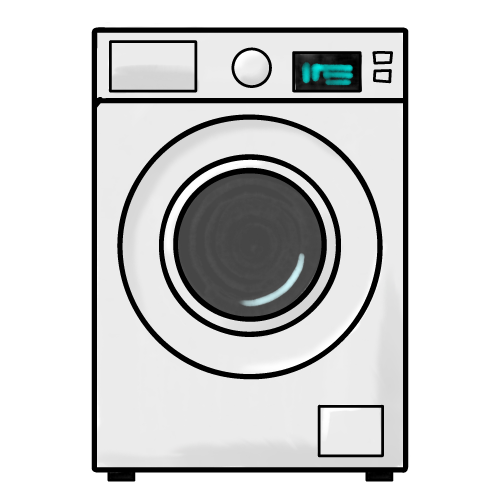
Lots of everyday household objects contain embedded systems. How many can you think of?
Characteristics of Embedded Systems
One Dedicated Function

Designed to perform one function well, such as controlling a washing machine. It cannot be programmed to do different tasks.
Low Specification
Embedded systems include only enough processing power and storage capacity to complete its task.
Cheap to Manufacture

The low CPU and storage requirements, together with mass production, keep costs down. Embedded systems are much cheaper than mechanical systems.
Physically Small

Their simplicity allows embedded systems to often be physically small. They can be squeezed into everyday items like digital watches and remote controls.