Benefits of Compressing Data
Data compression is when file sizes made smaller by reducing the amount of data used. The three main benefits of this are:
Lower Storage Needs
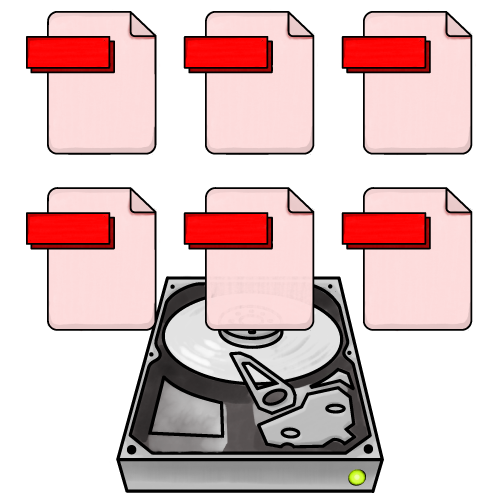
Smaller files take up less storage. We can fit more files onto our devices.
Faster Transfers
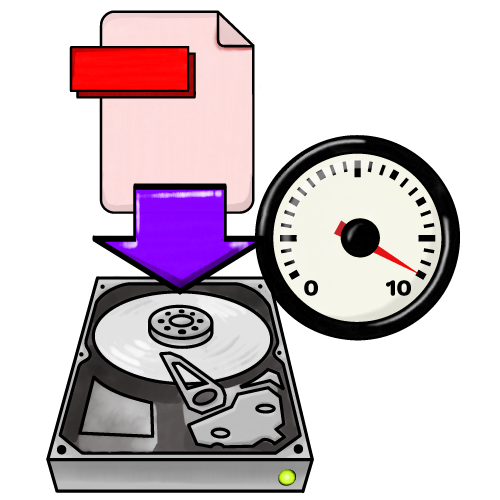
Smaller files download and upload faster than larger ones, and use less bandwidth.
Emailing Files
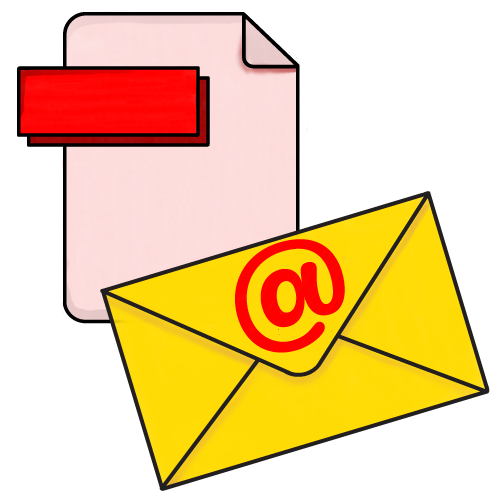
Email services often have limits on file sizes – larger files are rejected.
Lossy Compression
Data is permanently removed and cannot be recovered.
Often used on image, video, and music files where the user may not notice a reduction in quality.
Example: JPEG image files
Advantages
- Huge size savings can be made
Disadvantages
- Resulting data is not the same as the original
- Loss of quality
- Not suitable where data cannot be discarded (e.g. a text file)
Lossless Compression
Data is temporarily removed by optimising how the data is organised. When the file is decompressed, the data is restored without loss of quality
Often used on document and application files.
Example: ZIP files
Advantages
- No reduction in quality
- Files can be restored to how they originally were
Disadvantages
- File size savings are much less than lossy
- Files need to be restored to their original format before they can be used.